
La Bombonera stadium guide: Boca Juniors and a vertical ground
La Bombonera Stadium Guide — La Bombonera explained: capacity, the vertical stands, why the pitch feels close and which sectors visiting supporters usually get.
Quick facts
| City | La Boca, Buenos Aires |
|---|---|
| Stadium | La Bombonera |
| Capacity | 58,305 |
| Getting there | Public transport from the city centre reaches the ground; check the last service before kick-off. |
la bombonera stadium guide is about a ground that has no room to grow and never needed to. Boca Juniors' stadium holds 58,305 people on a single city block in La Boca, and the official name on the plaque is Estadio Alberto J. Armando, after the president who ran the club through its most successful decades.
It opened on 25 May 1940, on a plot where building work had begun in February 1938, and the architects José Luis Delpini, Viktor Sulčič and Raúl Bes were given a problem that never went away: the pitch measures 105 by 68 metres, exactly what the laws require, and the surrounding streets gave them almost nothing to work with. The solution was to build upwards, and the stadium they produced is the reason people still argue about whether the Bombonera is the most intimidating ground in world football.
How the la bombonera capacity fits a city block
The la bombonera capacity of 58,305 is a number that has come down as much as it has gone up. Concerts and structural work cut it over the years, the ground was renovated in 1995 and 1996, and the current figure is smaller than the crowds the stadium was once capable of packing in.
Record attendances here are the other way round from most grounds. The best-attended match on record drew 57,395, which is barely above the seats and places now available, and that tells you how tightly the club has had to manage the building since. When Boca play a big night, the ground is not so much full as compressed.
The boca juniors stadium and its vertical stand
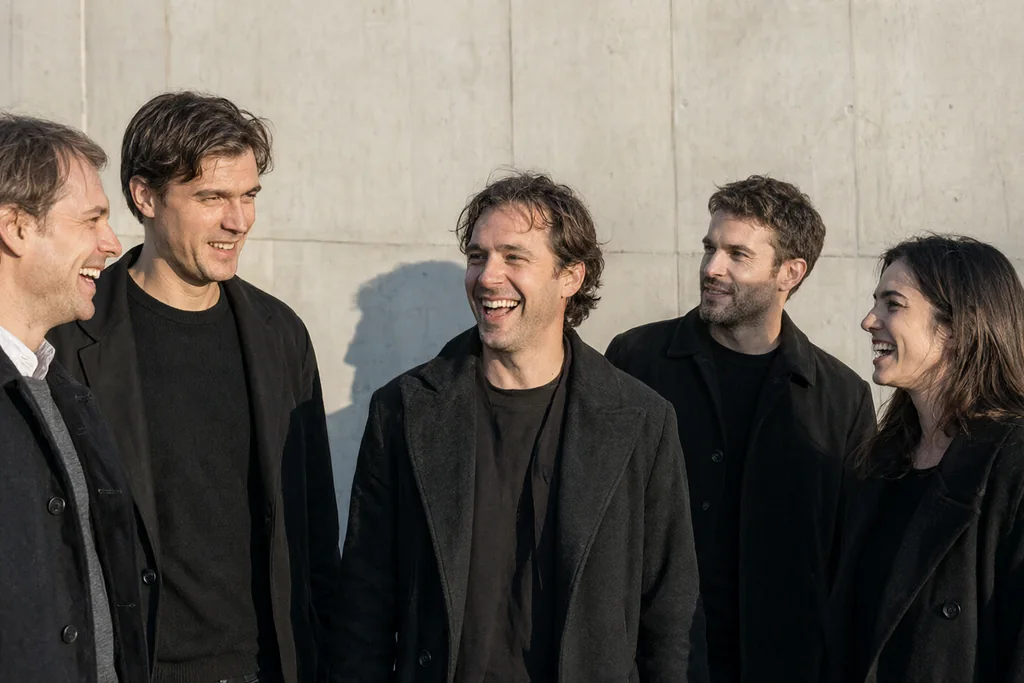
The boca juniors stadium is famous for one structure: the third tier on the eastern side, which rises almost vertically above the two below it. Because there was no space to spread out, that stand was stacked over the existing ones, and the overhang means supporters in the upper rows are closer to the pitch than the geometry of a normal ground allows.
That single design decision created the sound. The tiers act as walls, the noise bounces off them instead of escaping, and the traditional claim that the crowd is worth a goal is not an exaggeration here so much as a description of acoustics. Visiting teams have been talking about it for eighty years.
Sectors and tiers: where you end up
Boca sell by sector, and the sectors are not equal. The lower tiers put you at pitch level behind the goals with the most committed support; the middle ring gives a clearer view and slightly more space; the third tier is where the ground's reputation is loudest and where the roof and the overhang shape everything you can see.
Visiting supporters are usually given a section in the upper parts of one side, away from the home ends, with more space and a wider angle on the pitch. It is a strange feeling to sit at the top of a wall of people who are all singing at you, and it is the reason so many groundhoppers put this ground at the top of their list.
Brandsen 805 and the walk through La boca
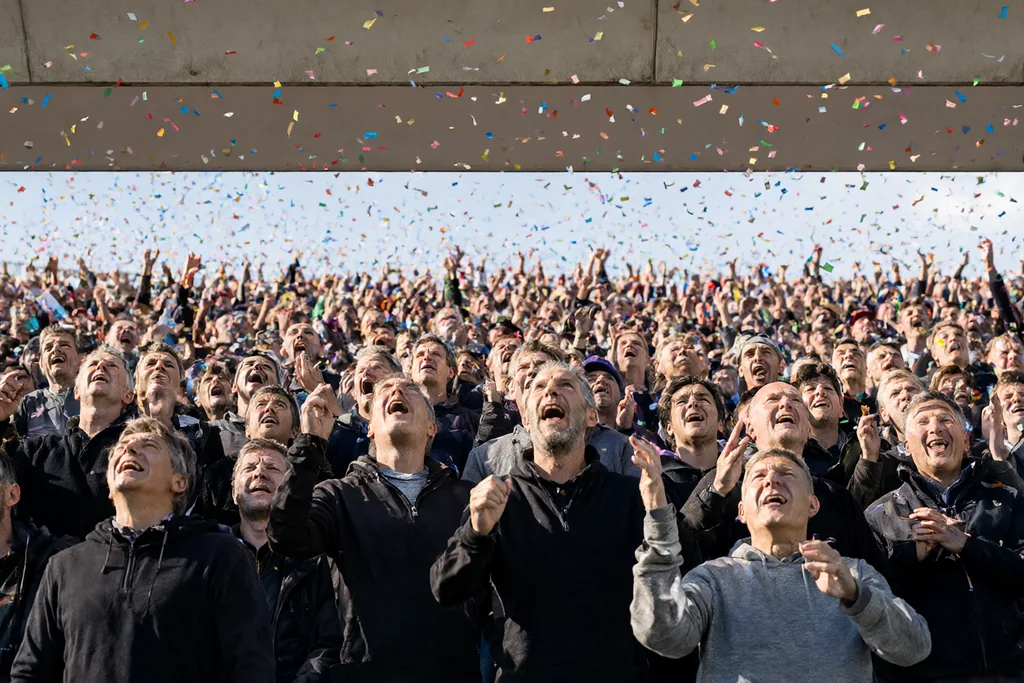
The address is Brandsen 805, in the barrio of La Boca, south of the city centre at the mouth of the Riachuelo. The district began as a port neighbourhood of immigrants, and its painted houses and corrugated-iron facades are a tourist circuit in their own right, which means a matchday here is spent in the middle of crowds whether you want to be or not.
Come early and walk the streets. Caminito, the famous painted alley, is a short walk from the ground, and the whole neighbourhood turns into a market of football shirts, empanada stalls and barbecue smoke on the afternoon of a home game. Try to be at the turnstiles well before kick-off rather than arriving with the last wave.
Why the pitch feels closer than it is
The Bombonera gives a different optical impression from any modern stadium. The stands rise so sharply that the crowd feels like a wall on the horizon, and because the lower tiers sit almost at pitch level, the players at the near touchline are inside arm's reach of the front rows.
The club has spent years debating how to add capacity without destroying that effect, and every plan has run into the same wall of streets, residents and heritage. As things stand, the ground that opened in 1940 still stands on the same block, which is the only reason the atmosphere survives intact.
Tickets, the museum and matchday timing
Boca do not run ticketing like a European club. The route into the ground is membership: the club sells a monthly cuota to socios, season tickets are governed by their own published rules, and non-members get in through member guest passes rather than an open general sale. If you are travelling, that structure decides your plan months before the flight.
- Join as a member or find a member willing to take you in as a guest; there is no normal open sale for the biggest fixtures.
- Buy before you book flights, because the ground is small relative to demand and big matches sell out.
- Arrive at Brandsen 805 at least an hour early; access is split by sector and the queues move slowly.
- Leave the camera in the bag in the busiest parts of the concourse and keep nothing visible in your pockets.
- Visit the Museo de la Pasión Boquense, the club museum, in the same building if you are there during the day.
| Level | Where it is | What it gives you |
|---|---|---|
| Lower tier | Behind both goals and along the sides | Pitch-level view, closest to the noise, hardest tickets to get. |
| Middle ring | Above the lower tier all round | Clearer sightlines and a little breathing space. |
| Vertical third tier | Overhanging the eastern side | The famous wall of people and the loudest acoustics in the ground. |
| Visiting section | Upper part of one side | Space and a wide angle, far from the home ends. |
| Museum and club areas | Within the same block | Trophy history and the club shop on a non-matchday visit. |
La Bombonera is the rare ground where the stadium itself is the attraction and the football is the excuse. Sixty thousand people in a block designed for a city of immigrants, still arguing about the same acoustics that made it famous, is not something a modern rebuild can copy.
Related guides

Alte Forsterei stadium guide: one tier, one wall of sound
The Alte Försterei holds 22,012 people and one of the loudest terraces in Germany, a quarter of an hour outside central Berlin.
2026-09-28
Benito Villamarin stadium guide: Real Betis at home in Seville
The Benito Villamarín seats 60,721 and the south end is the loudest part of a ground that has grown stand by stand since 1929.
2026-09-28
Away Days in Germany: How Visiting Supporters Travel
German away ends are usually sold through the visiting club, and the match ticket frequently doubles as a regional transport ticket.
2026-09-28