Ruhr derby away day: Dortmund, Schalke and the trains between them
Ruhr Derby Away Day — Away days on the Ruhr: how the derby works, regional trains between the grounds, ticket routes and what a matchday in the region costs.
Quick facts
| Area | Ruhr |
|---|---|
| Grounds covered | Signal Iduna Park (81,365) · Veltins-Arena (62,271) · Ruhrstadion (26,000) |
| Getting there | All of the grounds below sit on city public transport; check the last service before kick-off. |
| Published | 2026-09-28 |
ruhr derby away day starts with geography, because the Ruhr packs more football into less space than anywhere else in Europe. Dortmund, Gelsenkirchen and Bochum all sit within an hour of each other on the same regional rail network, and their grounds hold 81,365, 62,271 and 26,000 people respectively.
The derby itself is the oldest and most played rivalry in German football. Dortmund and Schalke first met on 3 May 1925, when Schalke won 4–2, and the two clubs have now played 160 times, with Schalke holding 60 wins. The most recent meeting, on 11 March 2023, finished 2–2 in Gelsenkirchen, and the last fixture before that, at Signal Iduna Park in September 2022, ended 1–0 to Dortmund in front of 81,100 people.
dortmund schalke away day: what the fixture does to the region
the dortmund schalke away day changes the whole transport network. Trains between the two cities fill from midday, the police put a cordon around the visiting section, and the concourse at the ground is divided so that the two sets of supporters never share an entrance.
Both clubs draw from the same industrial cities, and both fan bases are proud of it. The ritual before kick-off is a shared one: yellow in one half of the ground, blue in the other, and a noise level that makes the league's biggest ordinary fixture sound polite.
a ruhr football trip across three grounds
a ruhr football trip can be built around the derby or around the region, and the region is the better long-term plan. Dortmund's ground opened on 2 April 1974 and holds 81,365 for domestic matches, with 24,454 standing on the south terrace. Schalke's Veltins-Arena opened on 13 August 2001 at a cost of 191 million euros, seats 62,271 in league matches and 54,740 in international fixtures, and has a retractable roof over a pitch that slides out of the stands.
Bochum's Ruhrstadion is the third of the trio and the smallest, with 26,000 places. It also has the shortest distance between the away section and the pitch in the region, which makes it the most traditional afternoon of the three and the easiest ticket.
Tickets for the Revierderby
Getting into the derby is the hardest part of the plan. Both clubs sell to their own members first, away allocations are small relative to demand, and the fixture is often moved for television, which means the date is not reliable until weeks before.
Membership is the honest route for a neutral, but a season of membership does not guarantee a derby ticket at either club. The practical alternative is to build a weekend around the region's other fixtures and take the derby if it falls into place, rather than organising a trip around a single match you may not get into.
Trains between the grounds
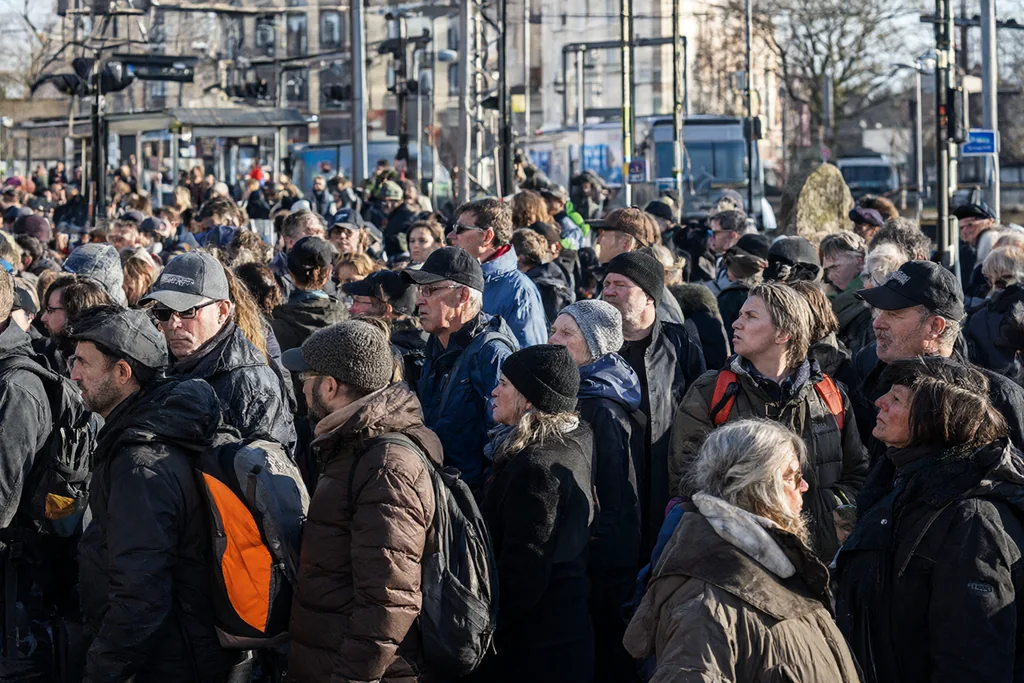
The regional network is what makes the Ruhr work as a football region. Dortmund, Gelsenkirchen and Bochum are stops on the same lines, journeys between them take minutes rather than hours, and the grounds are all built within walking distance of a station.
Two warnings are worth repeating. Derby days close stations and reroute trains, so follow the club's own travel advice rather than a timetable that assumes a normal Saturday. And after a big match, the last trains of the evening fill immediately, so check the connection before kick-off rather than after it.
Bochum, and the weekend that fits
The densest football region in Europe also rewards anyone who plans around it. A Saturday in Dortmund followed by a Sunday in Bochum is a realistic weekend, with Gelsenkirchen in between if the fixtures line up.
- Book accommodation in Dortmund or Essen and treat the region as one city for travel purposes.
- Check the confirmed date before booking anything; derbies move for television.
- Expect rerouted trains and station closures on derby day, and allow an extra hour.
- Buy the smaller fixtures first, then chase the derby, not the other way round.
- Wear neutral colours on the train between the two cities if you are travelling independently.
| Ground | City | Capacity | What it is |
|---|---|---|---|
| Signal Iduna Park | Dortmund | 81,365 | The largest ground in Germany and the south terrace of 24,454. |
| Veltins-Arena | Gelsenkirchen | 62,271 | A modern arena with a retractable roof and a sliding pitch. |
| Vonovia Ruhrstadion | Bochum | 26,000 | A tight old ground, the easiest ticket and the shortest walk to your seat. |
The Ruhr is the region that answers the question of why German football travel has the reputation it does. Three big grounds in one hour, a century of rivalry between two of them, and a rail network that treats matchday as part of normal service. Build a weekend around it and you will understand the league's culture faster than any book will teach you.
Related guides
Away Days in Germany: How Visiting Supporters Travel
German away ends are usually sold through the visiting club, and the match ticket frequently doubles as a regional transport ticket.
2026-09-28
Away day Seville: Real Betis, Heliópolis and the walk back
Seville is one of the easiest big-league away days in Europe: an airport, a tram and a stadium fifteen minutes from the old town.
2026-09-28
Two grounds in one weekend Ruhr: Saturday in Dortmund, Sunday in Bochum
A Ruhr weekend works because the grounds sit on the same S-Bahn and regional network, so two matches in two days need no car.
2026-09-28